
Summary
Most outbuildings can be built under permitted development as long as they stay clearly secondary to your house, follow height and location limits, and cannot be used as a separate home. Buildings that are large, close to boundaries, or used for business purposes will usually need planning permission.
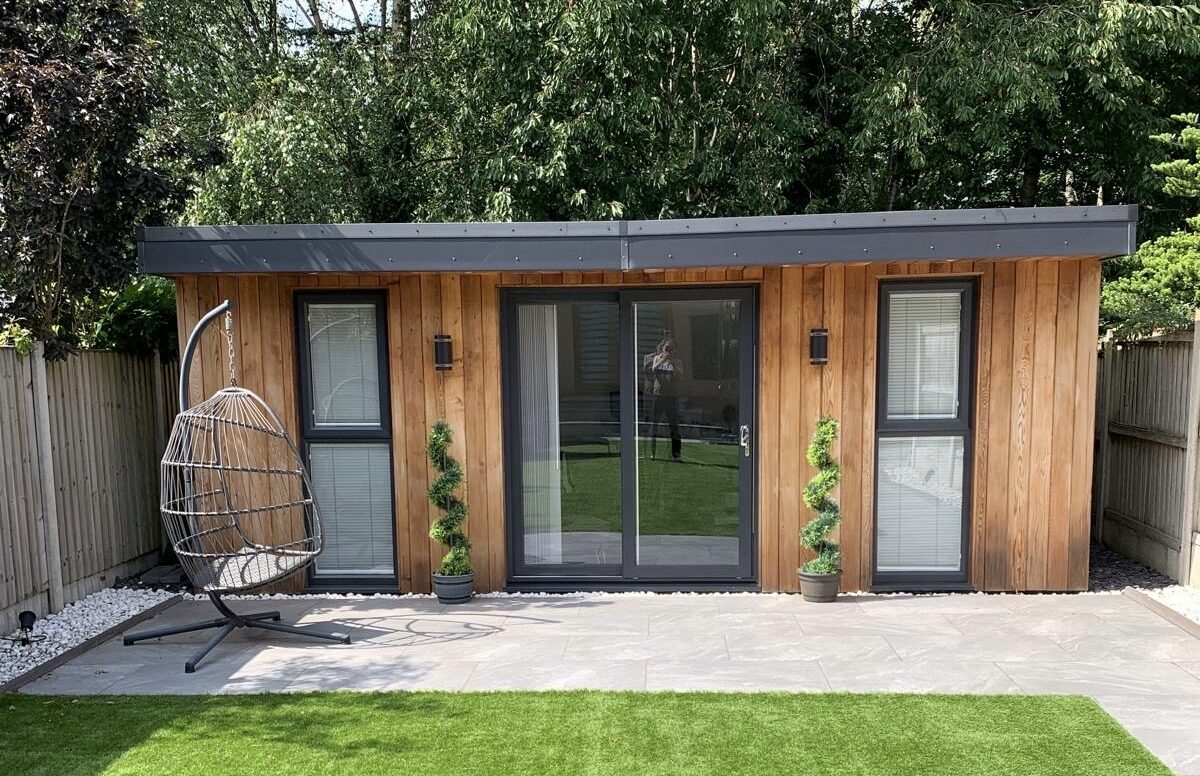
You can build many types of outbuildings without applying for planning permission, but only if they are incidental to your house. “Incidental” means the building supports your home rather than acting as a separate living space. It doesn’t just mean small or simple -it also means it cannot function independently. For example, a garden office or studio might not count as incidental if it could be used on its own or for a business, even if you don’t intend that. Councils look at what the building could do, not just what it is used for now.
An outbuilding must be in your garden and clearly secondary to your house. Typical examples include storage sheds, workshops, gyms, studios, or home offices used only by the household. Flats, maisonettes, or buildings with unclear garden boundaries cannot use permitted development rules. Councils also look at the design, layout, and visibility of the building. Two identical buildings can be treated differently depending on how they fit with the house and garden.
Outbuildings must go to the side or rear of your house. They cannot be built in front. Corner plots or tricky boundaries can cause confusion, because what seems like the side garden may be classed as forward. In areas like conservation zones, National Parks, Areas of Outstanding Natural Beauty, or the Broads, side outbuildings are usually not allowed at all. It’s important to check with your local council before starting.
Height rules are strict. Outbuildings with a pitched roof can be up to four metres high, while flat or mono-pitched roofs can reach three metres. If the building is within two metres of a boundary, the height limit drops to 2.5 metres. Many garden rooms marketed as “permitted development compliant” exceed these limits once you include roof structure and construction tolerances, which can cause problems with enforcement.
Your outbuilding and any other structures, like garages or extensions, cannot cover more than half of your garden. The garden considered is the land around your original house -the way it stood when first built or in 1948. This limit often matters more than height, especially in smaller urban gardens. Checking this before building is crucial.
Garden rooms and home offices can count as permitted development if they are used only by the household. Problems happen when the building can be used independently or for business. Things that often break permitted development rules include sleeping areas, full bathrooms, kitchens beyond a small tea point, multiple rooms with corridors, or separate access from the house. Councils check what the building could be used for, not just what you say it will be.
One of our clients initially built a garden outbuilding under permitted development for storage and a home office. Over time, they started using it as a beauty salon, inviting clients to visit. As the business grew, neighbours raised complaints about noise, parking, and foot traffic, which led the council to issue an enforcement notice.
We were then engaged to submit a retrospective planning application to make the salon use legal. The council approved it but imposed strict conditions to protect neighbouring amenity. The salon was only allowed to operate from 10:00 to 19:00 Monday to Friday and 10:00 to 14:00 on Saturdays, with no activity on Sundays or public holidays. Only one client could be seen at a time by appointment, and no recorded music was permitted inside the building. These conditions ensured that the business could operate while keeping disruption to a minimum.
This case highlights how quickly a permitted development outbuilding can fall outside the rules if its use changes. Councils consider factors such as working hours, visitor numbers, parking, and noise when assessing home businesses. Even a seemingly small operation can trigger planning scrutiny if it impacts neighbours or alters the residential character of the area.
The key takeaway for homeowners is to plan long-term use carefully. Consulting planning guidance, seeking professional advice, and considering options such as a Lawful Development Certificate or a full planning application can prevent enforcement issues, fines, or costly changes later. Permitted development covers domestic use, not commercial activity, and foresight is essential when converting a garden building into a home business.
Planning permission and building regulations are separate. Small outbuildings under 15 to 30 square metres without sleeping areas may be exempt, but electrical work, plumbing, insulation, and structural safety may still need approval. Ignoring building regulations can create problems if you sell or refinance later.
A Lawful Development Certificate (LDC) confirms your outbuilding is legal under permitted development. While optional, it can give peace of mind if you sell the house, refinance, or if a neighbour questions your building. It’s especially useful when councils might challenge the building’s use.
Before building, think about the size, height, and distance from boundaries. Consider if the layout could allow independent living or business use. Think about noise, privacy, and parking impact for neighbours. Check how much of your garden is already built on. Verify whether your plot is in a protected or designated area. Finally, decide if getting a Lawful Development Certificate or submitting a planning application would be safer. Following this approach helps avoid costly enforcement problems.
Permitted development works best for small, discreet, and clearly ancillary outbuildings. Larger buildings, ones that hug the boundary, or those capable of independent living or business use usually need planning permission. Avoiding planning permission does not eliminate risk, and professional advice is important to prevent future legal or enforcement issues.
Permitted development does not guarantee permanent freedom from enforcement. Councils may investigate if neighbours complain, if a property is sold or refinanced, or if the building’s use changes to a business or independent living. Even minor changes, such as running a home business, can trigger action. Councils assess layout, impact, parking, noise, and hours of use -not just size or roof height.
Seeking professional advice before building or changing the use of your outbuilding can save time, money, and stress.
