
Summary
You can check planning permission by using your local council’s online planning register. With a clear, step-by-step approach, the records show what has been approved, what exists today, and how confidently you can plan your next move.
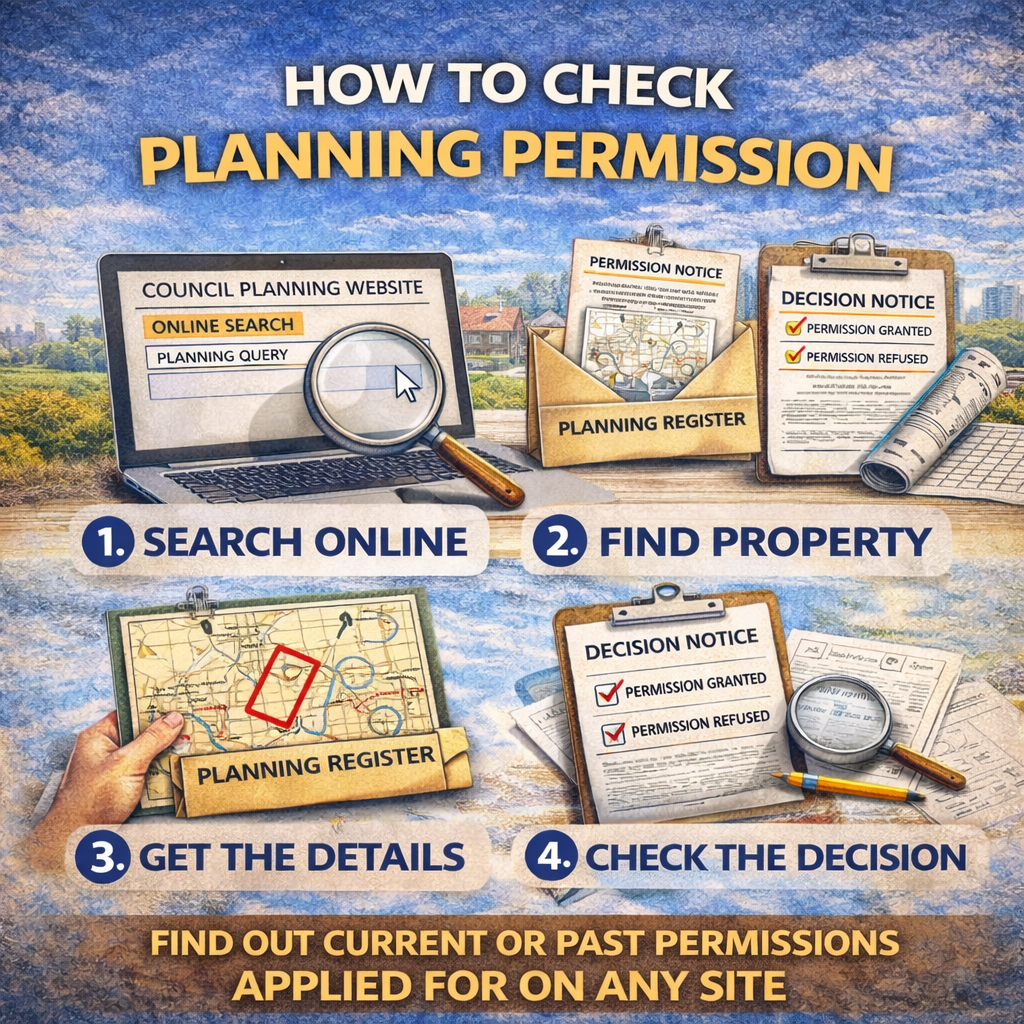
If you’re a homeowner, buyer or developer wanting clarity about a property, checking planning permission is one of the most empowering things you can do. The information is public, free, and designed to be accessible. When read properly, planning records provide reassurance, context, and a solid foundation for future decisions-whether that’s buying a home, extending it, or exploring development potential.
Planning history isn’t there to complicate things. Used well, it gives you certainty.
People usually check planning permission at important moments: before purchasing a property, before starting design work, or when considering changes. The value lies in understanding how the property has evolved and how the council has viewed it over time.
A clear planning record can: Confirm what has already been approved, Show how the council has assessed similar proposals, Provide confidence when investing time and money into design, Support conveyancing, refinancing, or future applications. Rather than being a barrier, planning history is one of the most useful tools available to property owners.
Planning permission is handled by the Local Planning Authority for the area the property sits in, usually your local council. Each authority maintains its own online planning register. There isn’t a single national database, but finding the right one is straightforward. If you’re unsure which council applies, the Planning Portal can point you in the right direction.
A planning register typically contains:
Past and current planning applications
Decision notices
Approved drawings and plans
Supporting statements and reports
Applications to discharge planning conditions
Lawful Development Certificates
Together, these documents show what was proposed, how it was assessed, and what was formally approved.
To make this practical, here’s a real-world example using Preston City Council. The same steps apply to any council in the UK, even if the website layout looks slightly different.
Step 1: Start with Google
Type “Preston planning application search” into Google. You don’t need to navigate through menus or know planning jargon—plain language works.
Click the result that clearly says “Planning application search”. This takes you directly to Preston Council’s online planning register.
Step 3: Enter the Address or Postcode
Type in the postcode or full address of the property you want to check. A postcode search is usually enough, but a full address can help narrow results where several properties share the same postcode.
Step 4: Review the Search Results
If the property has any planning history, it will appear here. You may see approvals, refusals, withdrawals, or lawful development certificates. Seeing results is a positive sign, it means the planning position is transparent and recorded.
Click the application number to view the full record. From here, you can access all associated documents, including the decision notice and approved drawings. This is where the detail lives and where clarity comes from. Once you’ve done this once, the process feels intuitive, and the same logic applies nationwide.
Planning permission is granted for specific drawings. Comparing those drawings with what exists on site is a helpful exercise, particularly if you’re buying or planning further work. In many cases, everything aligns neatly. Where changes have occurred, they are often documented through later approvals or certificates, keeping the planning position clear and robust.
Some works don’t need planning permission and are carried out under permitted development rights. In these cases, the register may show a Lawful Development Certificate. This is a formal confirmation from the council that the development is lawful. It provides peace of mind and is commonly relied upon during property sales and future applications.
From experience, homeowners who take time to understand planning history approach projects with far more confidence. The process becomes predictable, measured, and far less stressful. Planning registers are designed to be used. Councils expect them to be accessed by homeowners and professionals alike, and they remain one of the most reliable sources of property information available.
